
Blog
BPC-157 and the 2026 FDA Compounding Recommendation

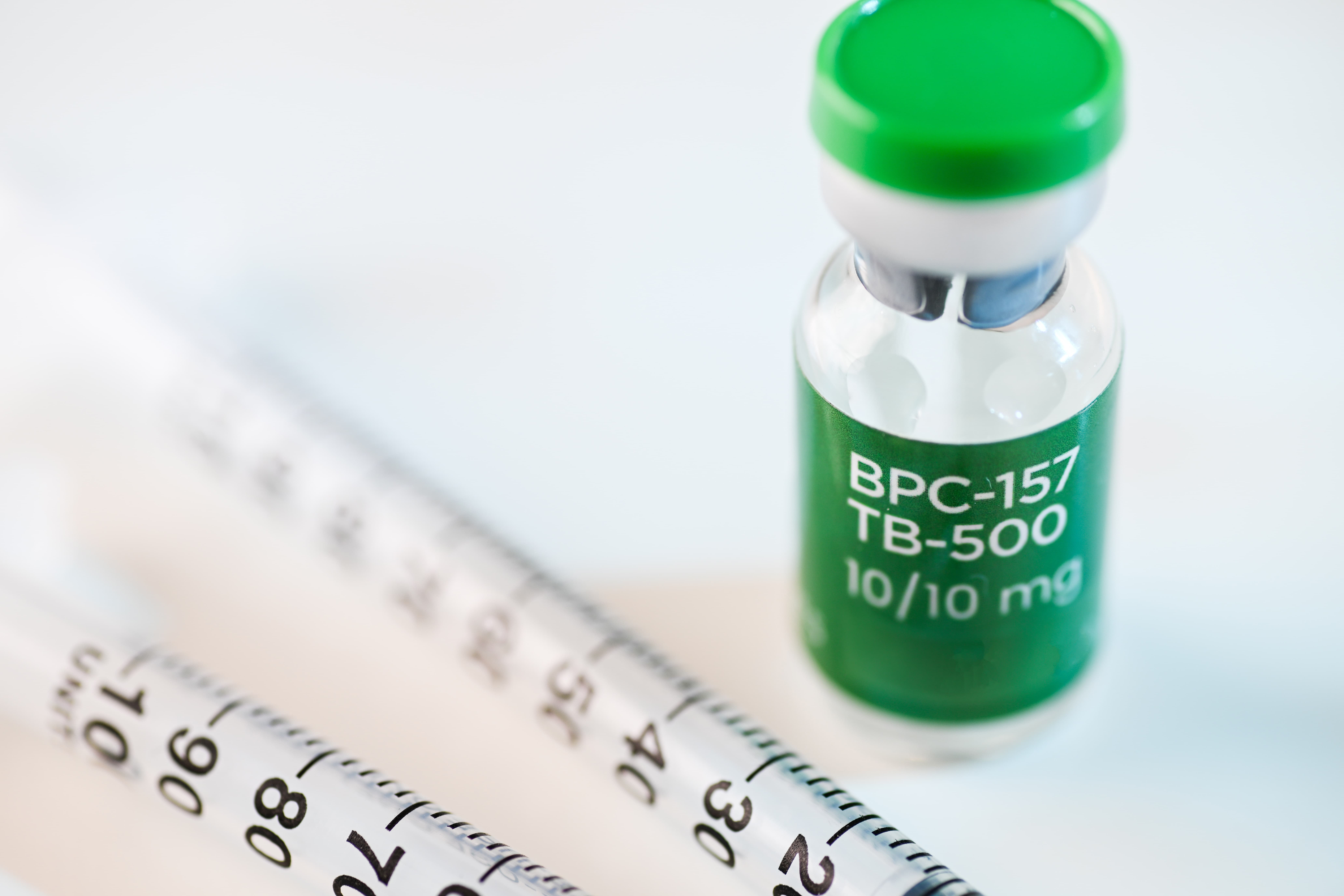
BPC-157 has become popular for recovery and gastrointestinal claims, but the July 2026 vote was about possible pharmacy compounding, not FDA approval or proof of effectiveness. Patients asking about BPC-157 are evaluated individually through our peptide therapy program in Albuquerque.
What BPC-157 Is
BPC-157 is a synthetic 15-amino-acid peptide derived from a sequence associated with a gastric protein. It is promoted online for tendon, ligament, muscle, wound, and gastrointestinal recovery. Most supportive findings come from laboratory and animal research; high-quality human evidence remains sparse.
For the 2026 review, FDA focused on BPC-157 free base and BPC-157 acetate for a nominated use in ulcerative colitis. That narrow regulatory review should not be interpreted as validation of the much broader recovery claims seen online.
What the FDA Committee Actually Recommended
In July 2026, the FDA's Pharmacy Compounding Advisory Committee voted on whether certain forms of this peptide should be recommended for inclusion on the Section 503A Bulks List. That is a compounding-policy recommendation, not FDA approval of a drug.
The committee's recommendation is advisory and nonbinding. As of July 29, 2026, the FDA has not completed final rulemaking or otherwise made these products FDA-approved. A compounded drug does not undergo the same premarket review for safety, effectiveness, manufacturing consistency, labeling, or approved indications as an FDA-approved finished drug.
What Is Known and What Remains Uncertain
Preclinical research suggests effects on angiogenesis, inflammatory signaling, and tissue repair. Animal findings can help justify further research, but they do not establish an effective human dose, route, treatment duration, or long-term safety.
FDA has highlighted possible immunogenicity, peptide-related impurities, and difficulty characterizing the active ingredient. Meeting materials also discussed adverse-event reports. BPC-157 is prohibited in sport under anti-doping rules, which is relevant for competitive athletes.
Why BPC-157 Probably Will Not Be Owned by One Company
The peptide itself is already publicly known and described in scientific or commercial literature. That existing prior art generally makes it difficult for a company to obtain a new, broad composition-of-matter patent that would give it exclusive ownership of the molecule itself.
That does not mean no intellectual property is possible. A company could potentially patent a new formulation, delivery system, salt form, manufacturing process, combination, or narrowly defined medical use if it meets patent requirements. A company can also own trademarks and proprietary production know-how.
Limited exclusivity helps explain why a traditional pharmaceutical company may have less financial incentive to fund the large toxicology program and Phase 1 through 3 trials normally needed for FDA drug approval. It is not proof that a peptide works, and it does not make approval impossible. A sponsor could still pursue approval if it develops protectable technology, qualifies for regulatory exclusivity, or sees a viable market.
Why Medical-Provider Oversight Is the Safer Route
A medical provider can determine whether the patient's symptom has a better-established explanation or treatment, review contraindications and medication interactions, document informed consent, and set measurable goals and stopping rules. That clinical work matters most when evidence and long-term safety data are limited.
If compounding becomes legally permissible, a provider can prescribe through an appropriately licensed pharmacy and evaluate the exact ingredient, route, concentration, certificate-of-analysis expectations, sterility standards, storage, and beyond-use dating. A provider can also monitor for adverse effects and report suspected problems.
Online sellers marketing products for research use only are not a substitute for medical care. Labels may not reliably establish identity, potency, sterility, endotoxin level, peptide impurities, or proper cold-chain handling. A product advertised on social media may also be illegal for human use. Medical supervision reduces risk; it does not convert an unapproved product into an FDA-approved drug or guarantee benefit.
Questions Patients Should Ask
Ask what condition is being treated, what human evidence supports that use, whether the product is currently lawful to compound, which pharmacy will prepare it, what testing and sterility standards apply, what side effects require stopping, and how success will be measured.
Modern Edge Family Practice in Albuquerque follows regulatory developments and emphasizes transparent counseling. Availability must depend on current federal and New Mexico rules, pharmacy sourcing, and individualized clinical judgment.
The Modern Edge Difference
Modern Edge Family Practice provides personalized care in Albuquerque, New Mexico, including primary care, hormone optimization, medical weight management, InBody 580 body-composition testing, IV therapy, Titanium skin tightening, and advanced hair-restoration services. We focus on informed choices, appropriate monitoring, and a plan built around the individual, not a one-size-fits-all protocol.
Ready for an individualized consultation? Learn more about peptide therapy at Modern Edge or call (505) 370-9195.
Sources and Further Reading
- FDA: July 23-24, 2026 PCAC Meeting and Materials
- FDA: Bulk Substances That May Present Significant Safety Risks
- FDA: 503A Bulk Drug Substances and Compounding Policy
- PubMed: Published Literature on BPC-157
Medical disclaimer: This article is for general education and marketing information. It does not provide diagnosis or personal medical advice, and it does not replace a consultation with a qualified healthcare professional. Benefits, risks, eligibility, product approval status, and monitoring needs vary by patient and treatment.
Read More Blogs!
Stay updated with the latest blog posts and engage with our community.