Blog
What Is NAD+? NAD+ Injections vs. IV Infusions vs. Supplements

NAD+ has become one of the most searched wellness topics in the country. Over the past year, US search interest in NAD+ injections grew steadily, and "what is NAD plus" is a rising query on Google. Patients usually want to know two things: what NAD+ actually does, and whether an injection, an IV infusion, or a capsule is the better way to get it. Here is a plain-language comparison from our NAD+ therapy team in Albuquerque.
Quick Answer
NAD+ (nicotinamide adenine dinucleotide) is a coenzyme found in every cell that helps convert food into cellular energy and supports DNA repair. Levels tend to decline with age. NAD+ can be given by slow IV infusion, by intramuscular or subcutaneous injection, or raised indirectly with oral precursors such as NR (nicotinamide riboside) and NMN (nicotinamide mononucleotide). IV delivers the largest dose but takes hours. Injections are faster but use smaller doses. Oral precursors are convenient but have the least direct effect. Human evidence for anti-aging benefits from any route is still limited.
What Does NAD+ Do in the Body?
NAD+ shuttles electrons in the mitochondria, where cells make ATP, and it is used by enzymes called sirtuins and PARPs that are involved in DNA repair and cellular stress responses. Research in animals links declining NAD+ to aging-related changes, which is why it attracts so much interest. What remains unproven is whether raising NAD+ in healthy adults meaningfully slows aging, improves cognition, or extends lifespan. We review that evidence in detail in NAD+ IV Therapy: What We Know and What Is Still Unproven.
NAD+ IV Infusions
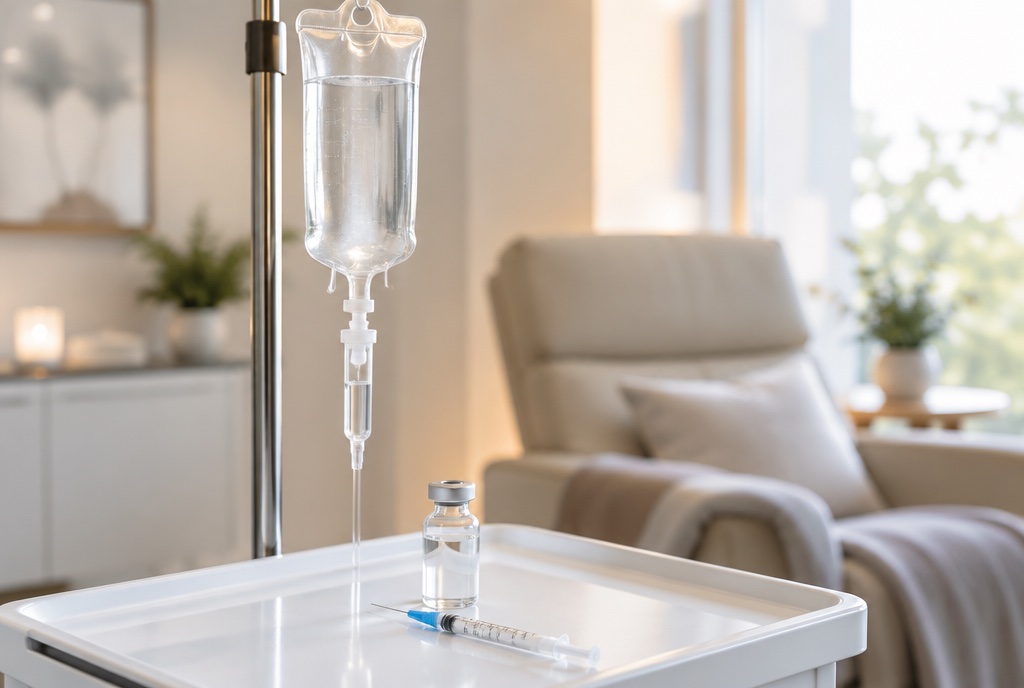
An IV infusion delivers NAD+ directly into the bloodstream. Because rapid infusion commonly causes flushing, nausea, chest tightness, or cramping, NAD+ is given slowly, typically over 2 to 4 hours. Slowing the drip usually resolves those sensations. IV is the route that allows the largest single dose, and it can be combined with hydration or vitamin drips. The trade-offs are time in the chair, a higher per-session cost, and an IV start.
NAD+ Injections
NAD+ injections, given intramuscularly or under the skin, are the fastest-growing search term in this category because they take minutes rather than hours. The dose per injection is much smaller than an infusion, and some people notice stinging, warmth, or redness at the injection site. Injections are sometimes used between infusions or by patients who cannot set aside a long block of time. As with IV, quality depends on the pharmacy source, so injections should come from a licensed pharmacy under a provider's prescription rather than from online "research" sellers.
Oral NAD+ Precursors (NR and NMN)
Oral NAD+ itself is poorly absorbed, so supplements typically use precursors that the body converts into NAD+. Small human studies show NR and NMN can raise blood NAD+ levels, but consistent improvements in energy, muscle function, or aging markers have not been demonstrated. Supplements are the least expensive option and require no clinic visit, but product quality varies because supplements are not reviewed by the FDA for effectiveness. Ordinary niacin (vitamin B3) is also an NAD+ precursor and can cause flushing at higher doses.
Side-by-Side Comparison
| Route | Time per dose | Relative dose | Common side effects | Best fit |
|---|---|---|---|---|
| IV infusion | 2 to 4 hours | Highest | Flushing, nausea, chest tightness if run too fast | Patients wanting a loading series under supervision |
| Injection | Minutes | Low to moderate | Injection-site stinging or redness | Busy schedules, maintenance between infusions |
| Oral NR or NMN | Daily capsule | Indirect | Usually mild GI upset | Lowest cost, lowest commitment |
Who Should Be Cautious?
NAD+ therapy is not right for everyone. Pregnancy and breastfeeding, active cancer, significant heart, kidney, or liver disease, and certain medications warrant a careful conversation first because safety data in those groups is limited. Fatigue, brain fog, or poor recovery can also come from thyroid disease, anemia, low testosterone, sleep apnea, or vitamin deficiencies, which is why we often recommend lab testing before chasing an IV solution.
Frequently Asked Questions
Are NAD+ injections as good as IV?
They are not equivalent. IV allows a much larger dose; injections trade dose for convenience. Neither has strong long-term outcome data in healthy adults.
How long does an NAD+ IV take?
Usually 2 to 4 hours, because the infusion is run slowly to prevent nausea and chest tightness.
Does NMN or NR work as well as NAD+ IV?
Oral precursors can raise blood NAD+ levels, but they act indirectly and have not been shown to match the effects patients report after infusions.
How often do people get NAD+ therapy?
At Modern Edge, a typical plan is an initial series of 3 to 5 infusions followed by monthly maintenance, adjusted to your goals and tolerance.
The Modern Edge Difference
Modern Edge Family Practice provides personalized care in Albuquerque, New Mexico, including primary care, hormone optimization, medical weight management, InBody 580 body-composition testing, IV therapy, Titanium skin tightening, and advanced hair-restoration services. We focus on informed choices, appropriate monitoring, and a plan built around the individual, not a one-size-fits-all protocol.
Ready for an individualized consultation? Learn more about NAD+ therapy at Modern Edge or call (505) 370-9195.
Sources and Further Reading
- Nature Reviews Molecular Cell Biology: NAD+ Metabolism and Its Roles in Cellular Processes During Ageing
- NIH Office of Dietary Supplements: Niacin Fact Sheet
- PubMed: Randomized Trials of Nicotinamide Riboside
Medical disclaimer: This article is for general education and marketing information. It does not provide diagnosis or personal medical advice, and it does not replace a consultation with a qualified healthcare professional. Benefits, risks, eligibility, product approval status, and monitoring needs vary by patient and treatment.
Read More Blogs!
Stay updated with the latest blog posts and engage with our community.